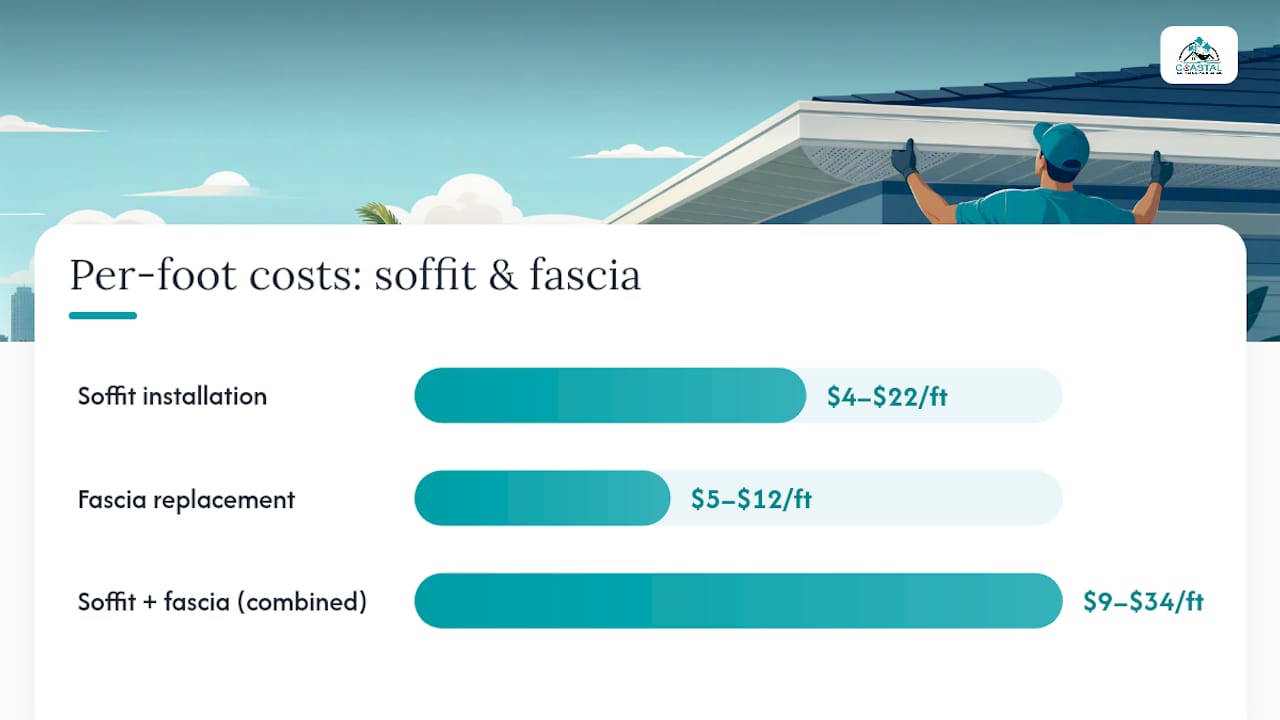
Soffit and fascia replacement typically runs $9 to $34 per linear foot, or roughly $900 to $6,800 for a 100 to 200 foot perimeter. Material choice, hidden rot, and roof access swing that range more than anything else. Get two or three on-site quotes before you commit. A phone estimate on this kind of job is close to worthless.
TL;DR:
- The typical cost for soffit and fascia replacement ranges from $9 to $34 per linear foot, with higher prices for complex jobs or premium materials.
- Material costs vary, with vinyl costing $4 to $8 per foot, aluminum $6 to $12, wood $8 to $15, and fiber cement $10 to $18, with durability influencing long-term expenses.
- Additional factors such as roof height, pitch, hidden rot, pest damage, and scope extensions can significantly raise a project’s total cost above initial estimates.
- Whole-house projects generally cost between $1,260 and $8,840 depending on house size, with bundling soffit, fascia, and gutters offering savings of 15% to 25%.
- Accurate quotes depend on site inspections, detailed scope, and understanding of potential hidden damage, as online estimates often underestimate real costs.
Table of Contents
- What Is the Real Soffit and Fascia Cost Per Linear Foot?
- Which Material Gives You the Best Cost Per Linear Foot?
- Why Did My Estimate Come Back Higher Than Expected?
- How Much Do Whole-House Projects Actually Cost?
- Should You Repair or Fully Replace Your Soffit and Fascia?
- How Do You Get an Accurate, Comparable Quote?
- Who’s Behind This Estimate Guidance?
- Where Should You Spend More, and Where Are Homeowners Getting It Wrong?
- Ready for an On-Site Soffit and Fascia Estimate?
- Sources
What Is the Real Soffit and Fascia Cost Per Linear Foot?
Contractors price this job by the linear foot, and the number changes a lot depending on whether you’re asking about soffit alone, fascia alone, or the whole eave assembly. Soffit installation runs about $4 to $22 per linear foot, while fascia board replacement lands closer to $5 to $12 per linear foot. Combine both, and most homeowners land in that $9 to $34 range once labor and trim work are folded in.
Small jobs cost more per foot, not less. Contractors carry minimum service fees of $150 to $300 because a crew still has to load a truck, drive out, and set up a ladder for a 15-foot repair the same way they would for a 300-foot job. That fixed overhead gets spread across fewer feet, so short segments often carry a higher effective rate than a full-perimeter replacement would.
Here’s how that plays out across different house sizes, using a blended rate that assumes standard materials and reasonable access:
These figures assume a straightforward tear-off and reinstall. Add rot remediation, a two-story ladder setup, or premium materials, and the top end climbs fast.
Which Material Gives You the Best Cost Per Linear Foot?
Material choice changes both your upfront number and what you’ll spend over the next 20 years. Installed pricing by material typically breaks down like this:
- Vinyl: $4 to $8 per linear foot. Cheapest option and low maintenance, but it can warp or discolor under intense, direct sun exposure over time.
- Aluminum: $6 to $12 per linear foot. Doesn’t rot, doesn’t need repainting, and holds up well in humid or coastal climates.
- Wood: $8 to $15 per linear foot. Looks great on craftsman and traditional homes, but expect a repaint cycle every 3 to 5 years and rot risk if ventilation is poor.
- Fiber cement: $10 to $18 per linear foot. The most durable, fire-resistant option, and a fitting premium when paired with a high-end roof system.
Wood is the material where the sticker price lies to you. A cheaper install today can quietly turn into a bigger bill down the road once you factor in repainting and potential rot repair. Aluminum and fiber cement cost more upfront but rarely need a second look for a decade or more.
Pro Tip: If you live somewhere with heavy sun or salt air, skip vinyl on south- or west-facing eaves. Aluminum or fiber cement holds its shape and color far longer in that kind of exposure.
Why Did My Estimate Come Back Higher Than Expected?
Homeowners often get quoted online-friendly numbers, then feel blindsided by the real bid. A handful of factors explain almost every jump between a low estimate and a high one.
- Roof height and pitch. A steep roof or a second story means scaffolding or extra fall protection, and that adds labor hours before a single board goes up.
- Complex eave geometry. Dormers, bay windows, and multiple roof angles multiply cuts and joints, which slows installation compared to a simple rectangular ranch.
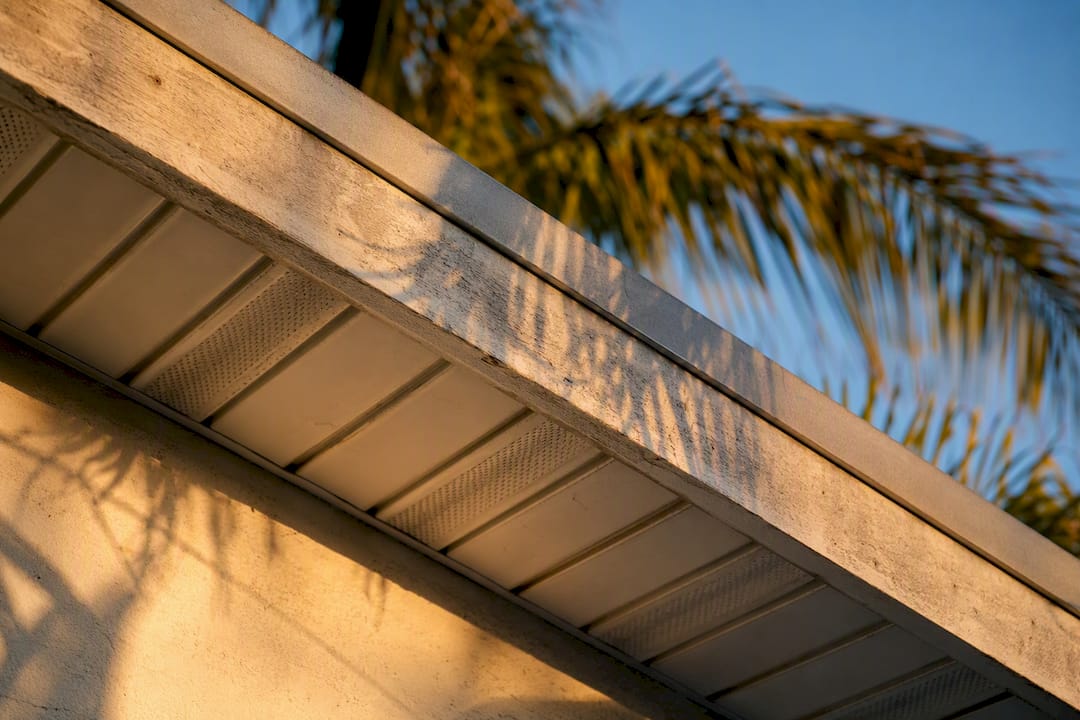
- Hidden rot behind the fascia. Once old boards come off, crews frequently find soft, water-damaged sub-fascia or sheathing that has to be cut out and replaced before new trim goes on.
- Pest damage. Squirrels, wasps, and carpenter bees love soft wood soffit, and nest removal plus structural repair can add several hundred dollars fast.
- Added scope. Many homeowners bundle in new drip edge, upgraded soffit vents for better attic airflow, or gutter replacement while the eave is already exposed.
Roof height, pitch, and access consistently rank as the biggest labor multipliers contractors cite for this type of job, more so than material selection itself. That’s the line item most DIY cost calculators miss entirely.
How Much Do Whole-House Projects Actually Cost?
A small ranch with a simple roofline and around 140 linear feet of eave typically lands between $1,260 and $4,760, depending on material. A larger two-story home with a more complex roof and 260 linear feet often runs $2,340 to $8,840. Those numbers track closely with the $900 to $6,800 range cited for 100 to 200 foot projects, scaled up for bigger footprints.
| Home type | Approx. perimeter | Estimated total |
|---|---|---|
| Small ranch | 140 LF | $1,260 to $4,760 |
| Mid-size two-story | 200 LF | $900 to $6,800 |
| Large footprint | 260 LF | $2,340 to $8,840 |
Bundling matters more than most homeowners realize. Combined fascia, soffit, and gutter packages often run $15 to $30 per linear foot as one job, but that blended rate typically saves 15% to 25% compared to hiring three separate crews for three separate mobilizations. The smartest timing is scheduling soffit and fascia work alongside a roof replacement or gutter swap, since the ladders, scaffolding, and disposal costs are already being paid for once.
Should You Repair or Fully Replace Your Soffit and Fascia?
Not every damaged section needs a full tear-off. The decision usually comes down to how far the damage has spread and whether the wood behind the trim is still structurally sound.
- Repair makes sense when damage is isolated to one or two sections, the fascia board itself is intact, and there’s no soft or crumbling wood underneath.
- Full replacement makes sense when rot has spread along multiple sections, when you see daylight or pest entry points, or when the sub-fascia is soft to the touch.
- Repair costs vary widely. Small, localized fixes often run $300 on the low end, while extensive dry rot remediation or pest damage repair can climb toward $7,200, with most jobs falling between $600 and $6,000.
- Pull the old material before you assume the worst. A contractor who removes a section to inspect behind it, rather than quoting blind, gives you a far more accurate number and often finds the damage is less extensive than it looks from the ground.
A practical repair-versus-replace checklist can help you sort through what you’re looking at before a contractor even shows up.
How Do You Get an Accurate, Comparable Quote?
Getting three quotes only works if they’re quoting the same scope. Loose, vague estimates are how change orders sneak in mid-project.
- Measure your own perimeter first, or at least walk the eave line and take photos of visible damage, staining, or sagging sections.
- Ask for a per-linear-foot breakdown that separates material cost from labor cost, so you can compare apples to apples across bids.
- Ask directly how rot remediation is billed if hidden damage turns up. Some contractors build in a contingency; others charge as a change order.
- Confirm who handles permits and disposal, since some quotes bundle these in and others treat them as add-ons.
- Ask about warranty coverage on both materials and labor, separately.
- Verify licensing and insurance before signing anything. A contractor unwilling to provide proof of either is a hard pass.
Pro Tip: Ask every bidder the same specific question: “What happens to the price if you find rotted sheathing once the old boards come off?” The answer tells you more about a contractor’s honesty than the bottom-line number does.
Watch for estimates that lump soffit, fascia, and gutter work into one flat number with no breakdown. That’s usually a sign the contractor hasn’t inspected closely enough to price the job accurately, and understanding what soffit actually does for your attic ventilation helps you ask better questions during that walkthrough.
Who’s Behind This Estimate Guidance?
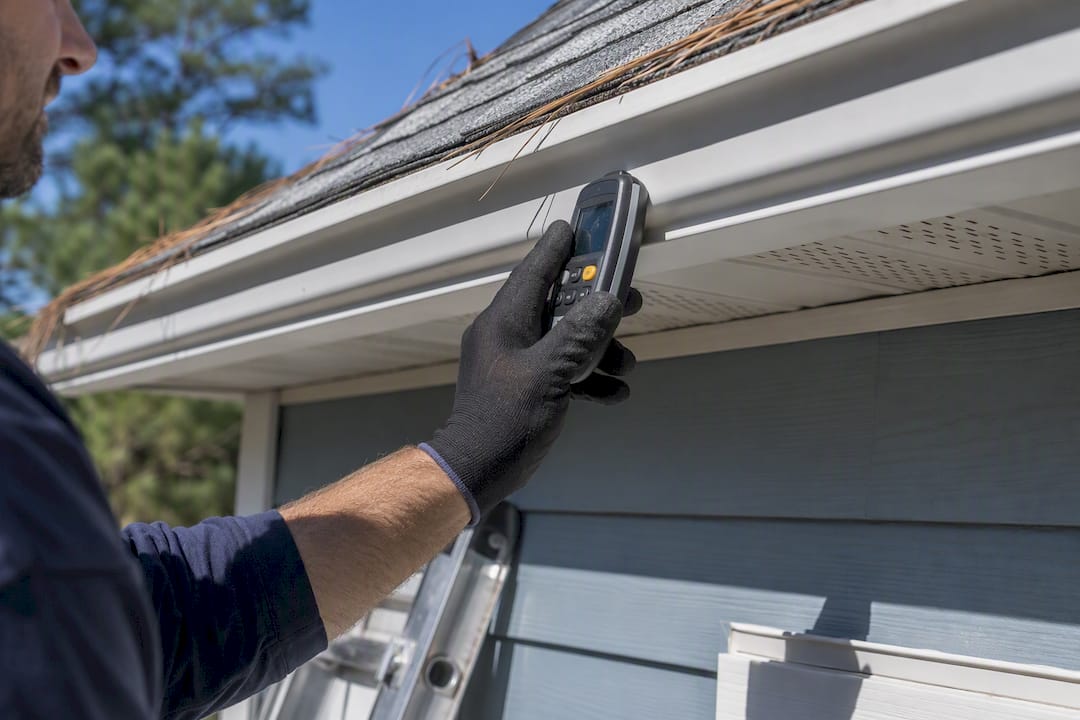
This guide was compiled by Ryan at Coastal Roofing & Construction, a licensed and insured contractor factory-trained through Owens Corning, GAF, and Tri County Metals, serving Tampa Bay homeowners across Pinellas, Hillsborough, and Pasco counties. On-site inspections check drip edge condition, sub-fascia integrity, and soffit ventilation before a number ever gets written down, which is exactly how estimates should be built.
Where Should You Spend More, and Where Are Homeowners Getting It Wrong?
Spending more on aluminum or fiber cement over wood usually pays for itself before the decade is out, once you skip a few repaint cycles and the rot repairs that come with neglected wood trim. The costliest mistake I see is patching visible fascia while ignoring soft wood underneath, since that section fails again within a year or two. Skipping soffit vent upgrades during a replacement is the second one. If you only take one thing from this guide, get the eave properly inspected before you get it priced.
— Ryan
Ready for an On-Site Soffit and Fascia Estimate?
Online ranges get you close, but the only number that matters is the one built from an actual walk-around of your roofline. Coastal Roofing & Construction is factory-certified through Owens Corning, GAF, and Tri County Metals, and every soffit and fascia estimate includes a full check of drip edge, ventilation, and hidden rot before a price gets written down, not after the job starts. That’s the difference between a quote that holds and one that balloons mid-project.

If your roof is due for replacement anyway, bundling soffit and fascia work into that project saves on mobilization costs and gets the whole eave handled in one visit. Browse the project portfolio to see completed work across Tampa Bay, or schedule a free on-site inspection through the residential roof replacement page to get a real, itemized number for your home.
Sources
- How Much Does It Cost to Replace Soffits and Fascia Boards? (2026) | HomeGuide
- Soffit & Fascia Replacement Cost 2026 | The Roofing Brief
- Cost to Install Fascia Boards | Homewyse