
Stay off the roof, kill power to any room near dripping water, and get containers under the leak fast. Puncture a bulging ceiling patch to release trapped water before it collapses on its own. Take photos of every affected area, then call a licensed contractor for emergency tarping or a full inspection before the next system rolls through.
TL;DR:
- Emergency tarping is essential if the roof has visible damage or water is actively leaking, especially in storm-prone areas like Florida.
- Proper documentation with timestamped photos and detailed damage reports speeds up insurance claims and prevents disputes.
- Roof repairs should focus on sealing vulnerable points with professional tarps and controlling interior moisture to prevent mold growth.
- Attic inspections are crucial, as water can travel along rafters and insulation, making visible damage on the roof or ceiling only part of the picture.
- Routine maintenance, including gutter cleaning and replacing damaged flashing, significantly reduces the risk of leaks during severe storms.
Table of Contents
- Roof Leak After Storm: Safety and Water Containment First
- How Do You Find Where a Roof Is Leaking?
- Temporary Roof Leak Repair: What Actually Holds
- Documenting Roof Damage for an Insurance Claim
- When to Call a Roofer After Storm Damage
- Roof Maintenance Tips to Prevent the Next Storm Leak
- A Roofer’s View From the Attic, Not the Ground
- Book a Storm Damage Roof Inspection
- Sources
Roof Leak After Storm: Safety and Water Containment First
Water and electricity near each other is the fastest way an inconvenience turns into an emergency room visit. If a leak is dripping anywhere near outlets, light fixtures, or a ceiling fan, cut power to that circuit at the breaker before you do anything else. Stay off wet stairs and hardwood, both turn dangerously slippery within minutes.
Once the room is safe, work on containment:
- Set a bucket or trash can under the drip, and layer towels around it to catch splashback.
- Move furniture, electronics, and rugs out of the path, then lay plastic sheeting where you can’t move items.
- If the ceiling is bulging, puncture the lowest point with a screwdriver so water drains into a bucket instead of soaking through drywall and insulation.
- Do not go on the roof while it’s wet, windy, or still storming. Exterior action waits until conditions are safe and daylight allows a clear view.
If you can already see sky through the roof deck, or the leak is spreading fast, that’s the point to call for professional emergency tarping rather than attempting it yourself. Trained crews anchor tarps to withstand follow-up wind, which matters when Florida storms tend to arrive in waves.
Pro Tip: Keep a bucket, plastic sheeting, and a flashlight ready in a hall closet year-round. Fumbling for supplies while water spreads costs you drywall you didn’t need to lose.
How Do You Find Where a Roof Is Leaking?
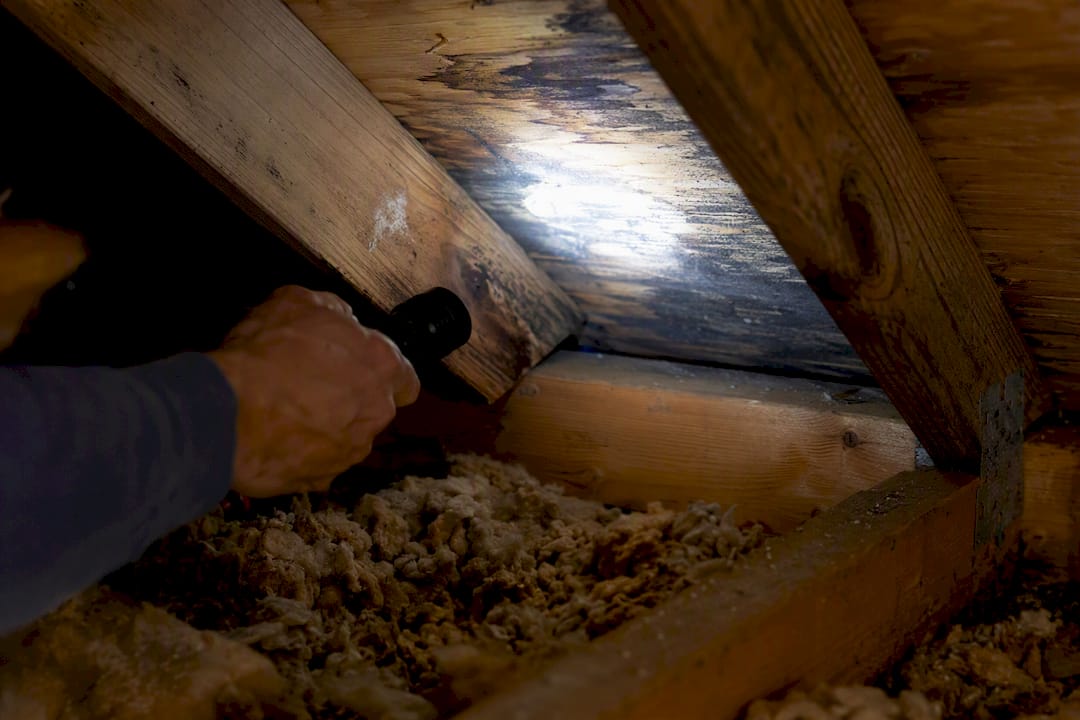
Ceiling stains rarely sit directly under the actual hole. Water follows rafters, sheathing seams, and insulation before it drips, so the wet spot on your ceiling might be several feet from where the storm actually breached the roof.
Start in the attic with a flashlight, on a dry, stable day:
- Look for daylight coming through the decking, a clear sign of a puncture or lifted section.
- Check insulation for damp or matted patches, and note whether the wood decking above looks dark or stained, since dark wood usually means repeated wetting, not a one-time event.
- Follow any wet trail uphill toward the roof line rather than assuming the leak sits directly above the stain.
- From the ground, scan for missing or lifted shingles, cracked or displaced flashing around chimneys and vents, and bent or clogged gutters.
- Check gutters and downspout runoff for granule buildup. Granule loss visible in gutters is one of the clearest ground-level signs that shingles took a hail hit.
Photograph everything as you go: wide shots of the affected area, close-ups of visible damage, and attic shots showing daylight or moisture. Date-stamped photos matter more than most homeowners realize once a claim gets filed.
Temporary Roof Leak Repair: What Actually Holds
A tarp thrown over a hole and weighted with cinder blocks looks like a fix. It usually isn’t. Wind gets underneath loose edges within a day or two, and a poorly secured tarp can rip more shingles loose than the storm did. Professional tarping uses batten boards screwed through the tarp into the roof deck, sealing the perimeter so wind can’t get a grip.
Inside the house, mitigation matters just as much as the roof itself:
- Puncture bulging ceiling sections in a controlled spot to prevent an uncontrolled collapse.
- Lay towels and plastic sheeting to protect flooring while the area dries.
- Run a dehumidifier or fans in the affected room. Standing moisture creates conditions favorable to mold growth within 24 to 48 hours.
- Save every receipt for tarps, buckets, plastic sheeting, or a rented dehumidifier. Insurers typically reimburse reasonable mitigation costs.
A small, accessible patch on a single shingle might be a fair DIY job if you’re experienced and the roof is dry and safe to walk. Anything involving flashing, multiple courses of shingles, or a steep pitch belongs to a professional.
Pro Tip: Photograph the temporary repair itself, not just the damage. Adjusters want to see what you did to prevent the loss from getting worse, and a documented tarp job supports your claim instead of raising questions about it.
Documenting Roof Damage for an Insurance Claim
Insurance adjusters work off evidence, not descriptions. The homeowners who get claims approved quickly are the ones who photographed everything before any repair work started.
- Photograph the full exterior of the house first, then move to close-ups of shingle damage, flashing, and gutters.
- Go into the attic and photograph daylight gaps, wet insulation, and stained decking.
- Photograph interior ceiling and wall stains from multiple angles, including a shot with a tape measure or coin for scale.
- Call your insurance agent the same day if possible, and ask specifically what documentation they require, some insurers want a contractor estimate before they’ll send an adjuster.
- Keep a simple timeline: date of the storm, date you noticed the leak, date you called your agent, and date of any temporary repairs.
Coverage isn’t automatic. Most homeowners policies cover storm-caused roof leaks from wind or hail, but the payout depends on your policy’s terms, your roof’s age, and whether the insurer determines the damage came from the storm rather than years of deferred maintenance. A detailed insurance claim documentation guide walks through exactly what most carriers expect in a claim package. A written contractor inspection report that separates storm damage from pre-existing wear tends to move claims along faster than photos alone.
When to Call a Roofer After Storm Damage
Some signs mean you call today, not this weekend: exposed roof decking, active dripping inside the home, a sagging ceiling section, or any water anywhere near electrical wiring or fixtures. Those situations get worse by the hour, especially if more rain is forecast.
A proper storm-damage inspection covers more ground than a homeowner can check safely from a ladder:
- Shingle condition across every roof plane, not just the section over the visible leak
- Underlayment and decking integrity, checked from the attic side
- Flashing around chimneys, vents, skylights, and roof-to-wall transitions
- Attic moisture levels and insulation condition
- Gutters, fascia, and downspout attachment points
Getting an inspection within a few days of the storm matters. Evidence degrades quickly, granules wash away, tarps shift, and insurers sometimes question damage reported weeks after the event. A qualified contractor also builds a documented repair scope that adjusters can work from directly, which shortens the back and forth between homeowner, insurer, and contractor. Before hiring anyone who shows up unannounced after a storm, it’s worth knowing how to spot a storm-chasing scam.
Roof Maintenance Tips to Prevent the Next Storm Leak
Most storm leaks trace back to something that was already weak before the wind ever picked up. A well-maintained roof handles the same storm a neglected one doesn’t survive.
- Clean gutters at least twice a year so water doesn’t back up under the roof edge during heavy rain.
- Trim tree limbs away from the roofline. Branch impact and abrasion are common causes of storm-triggered leaks.
- Check attic ventilation and insulation each fall. Poor ventilation traps moisture that weakens decking from the inside over time.
- Replace cracked pipe boots, worn flashing, or curling shingle edges before they become entry points.
- Routine upkeep like this also demonstrates maintenance history to your insurer if you ever need to file a claim.
For homes due for a full roof anyway, upgrades matter more in Florida than almost anywhere else: proper ice-and-water barrier at eaves and valleys, high-wind-rated shingle installation, impact-resistant shingles, or a standing seam metal roof built to shed wind-driven rain instead of fighting it. A targeted repair makes sense when damage is isolated and the roof still has years of service life left. Full replacement becomes the practical choice once a roof is aging, has multiple leak points, or has taken repeated storm hits.
A Roofer’s View From the Attic, Not the Ground
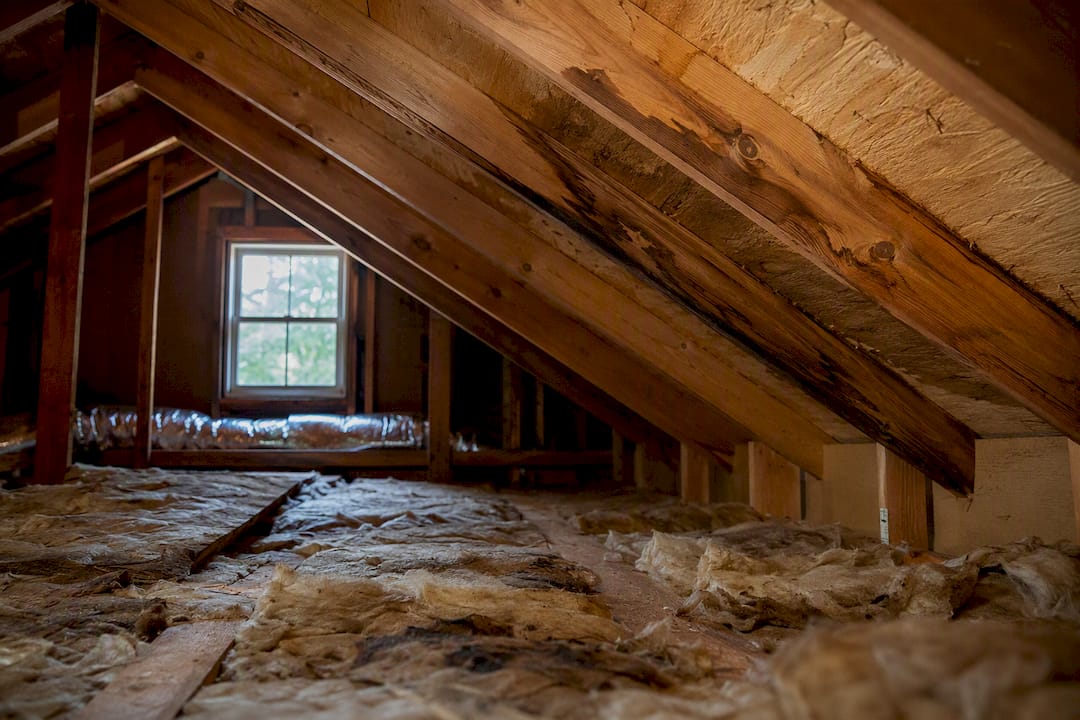
Most of the worst damage I see never shows up from the driveway. Homeowners walk their yard after a storm, see a few shingles missing, and think that’s the extent of it. Then we get in the attic and find soaked insulation forty feet from where the shingles actually failed, because water traveled along a rafter before it ever dripped through drywall.
The biggest mistake homeowners make isn’t ignoring damage. It’s waiting to see if the stain gets worse before calling anyone. By then the decking has usually absorbed enough moisture that a repair has quietly become a replacement conversation. On every storm call, our priority order stays the same: get people safe, document what’s there before anything gets touched, and give a scope of work specific enough that an adjuster doesn’t have to guess what we found.
— Ryan
Book a Storm Damage Roof Inspection
Coastal Roofing & Construction runs on documentation, not guesswork, which is the difference between a claim that gets approved in weeks and one that drags on for months. When you call after a storm, our crews handle emergency tarping first if the roof is actively leaking, then follow with a full inspection covering shingles, flashing, decking, and attic moisture.

Every inspection comes with time-stamped photos, a written damage scope, and documentation formatted the way insurance adjusters expect to see it, not a verbal estimate scratched on a business card. You can see the kind of work that comes out of that process in our completed storm repair and replacement projects, and if your roof is old enough that a targeted patch won’t hold through the next season, our residential roof replacement page walks through what a full replacement involves for Tampa Bay homes. Call Coastal Roofing & Construction today to schedule an inspection before the next storm system puts your roof to the test again.
Sources
This article draws on guidance from GEICO on homeowners insurance coverage, GAF’s overview of storm damage signs and inspection steps, Owens Corning’s storm damage checklist, and EPA guidance on mold and moisture control. These sources informed the safety, documentation, and inspection recommendations throughout.
- Does homeowners insurance cover roof leaks? | GEICO
- Understanding roof storm damage: causes, signs, how to inspect, and next steps | GAF
- Mold course chapter 2: Moisture and mold growth | EPA